Best Renewable Energy Options For Home Use: Wind vs Solar Calculator Comparison
The quest for sustainable living and energy independence has never been more pressing. Homeowners are increasingly turning to renewable energy sources to power their lives, reduce utility bills, and lessen their environmental footprint. Among the most popular and accessible options are solar and wind power. But which is right for your home? Understanding the nuances of each, and how they integrate with modern energy solutions like portable power stations, is key to making an informed decision.
The Rise of Home Renewable Energy: Why Now?
Gone are the days when renewable energy was an esoteric concept reserved for eco-warriors. Today, it's a mainstream solution driven by technological advancements, decreasing costs, and a growing awareness of climate change. Installing a home renewable energy system offers a multitude of benefits:
- Cost Savings: Generate your own electricity and significantly reduce or even eliminate your monthly utility bills.
- Energy Independence: Less reliance on the grid means greater resilience during power outages and protection against rising energy prices.
- Environmental Impact: Reduce your carbon emissions and contribute to a cleaner, healthier planet.
- Increased Home Value: Homes equipped with renewable energy systems often command higher resale values.
As we delve into the specifics of wind and solar, remember that the "best" option is highly individual, depending on your location, budget, and energy needs. This is where a personalized assessment, often facilitated by a comprehensive calculator, becomes invaluable.
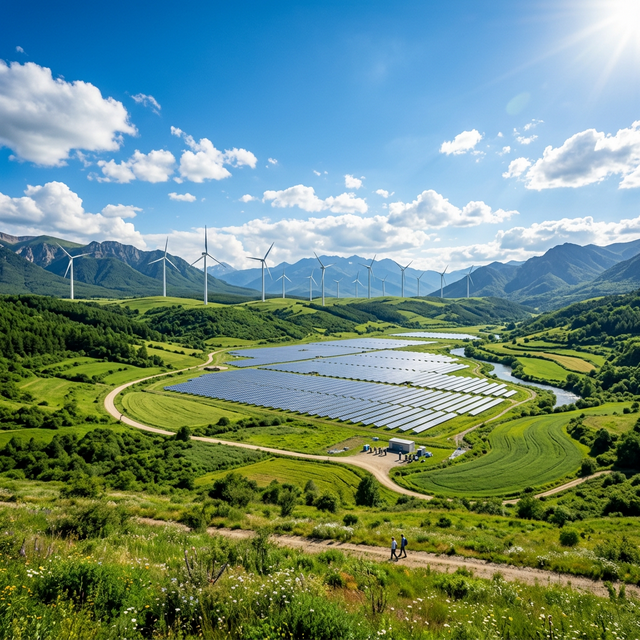
Solar Power: Harnessing the Sun's Abundance
How Solar Energy Works for Your Home
Solar photovoltaic (PV) systems convert sunlight directly into electricity. Solar panels, typically installed on rooftops or ground mounts, capture photons from the sun. These photons excite electrons in the silicon cells, generating direct current (DC) electricity. An inverter then converts this DC electricity into alternating current (AC), which is what your home appliances use. Excess electricity can be fed back into the grid (net metering) or stored in batteries, such as a portable power station, for later use.
Pros of Home Solar Power
- Widespread Availability: Most regions receive ample sunlight to make solar a viable option.
- Mature Technology: Solar PV is a well-established and continuously improving technology with proven reliability.
- Silent Operation: Solar panels operate silently, making them unobtrusive.
- Low Maintenance: Once installed, solar panels require minimal maintenance, primarily occasional cleaning.
- Government Incentives: Many governments offer tax credits, rebates, and other incentives to encourage solar adoption, significantly reducing initial costs.
Cons of Home Solar Power
- Intermittency: Solar panels only generate power when the sun is shining (daytime, clear skies). Nighttime and heavily overcast days reduce or halt production.
- Space Requirements: A sufficient roof area or ground space is needed for panel installation.
- Initial Cost: While declining, the upfront investment can still be substantial, though often offset by long-term savings and incentives.
- Aesthetics: Some homeowners find the appearance of solar panels on their roof unappealing.
For those looking to mitigate the intermittency of solar power, integrating a portable power station is an excellent strategy. These devices can store surplus solar energy generated during peak sunshine hours, providing a reliable power source during the night or cloudy periods, and serving as an essential backup during grid outages.

Wind Power: Tapping into Nature's Breeze
How Wind Energy Works for Your Home
Residential wind turbines capture the kinetic energy of wind and convert it into electricity. A typical small-scale wind turbine consists of blades that rotate a rotor, which is connected to a generator. As the blades spin, they drive the generator to produce electricity (AC). This electricity can directly power your home, be stored in batteries, or fed back into the grid.
Pros of Home Wind Power
- Day and Night Generation: Unlike solar, wind turbines can generate electricity 24/7, as long as there's sufficient wind.
- Efficient in Windy Areas: In locations with consistent, strong winds, turbines can be highly efficient producers of electricity.
- Smaller Footprint (Relative to Output): A single turbine can potentially generate more power than a comparable footprint of solar panels in ideal wind conditions.
Cons of Home Wind Power
- Site-Specific Requirements: Wind power is highly dependent on consistent wind speeds, which vary significantly by location. Not every property is suitable.
- Noise and Visual Impact: Turbines can produce some operational noise and may be considered a visual blight by some.
- Initial Cost and Installation Complexity: Installation can be more complex and costly than solar, often requiring taller towers and specific zoning permits.
- Maintenance: Turbines have moving parts that require more regular maintenance than static solar panels.
- Wildlife Impact: Though less significant for small residential turbines, there can be concerns about bird and bat strikes.
The Wind vs. Solar Calculator: Making the Right Choice
Deciding between wind and solar, or even a hybrid system, is a complex decision that requires careful consideration of several factors. This is precisely why tools like our renewable energy calculator are so valuable. It helps you analyze your specific situation:
- Location Data: Input your address to assess average sun hours and wind speeds.
- Energy Consumption: Understand your household's daily and annual electricity usage.
- Budget: Factor in the initial investment and potential long-term savings.
- Space Availability: Determine if you have adequate roof or ground space for panels, or sufficient clear area for a wind turbine.
- Local Regulations: Check zoning laws, HOA restrictions, and available incentives for both technologies.
For many homes, a hybrid approach combining both solar panels and a small wind turbine can offer the best of both worlds, providing more consistent power generation across different weather conditions. The key is to run the numbers and see what makes the most sense for your unique circumstances.
The Role of Portable Power Stations in Your Renewable Setup
Regardless of whether you choose solar, wind, or a hybrid system, energy storage is a critical component for maximizing your renewable investment and achieving true energy independence. This is where portable power stations shine.
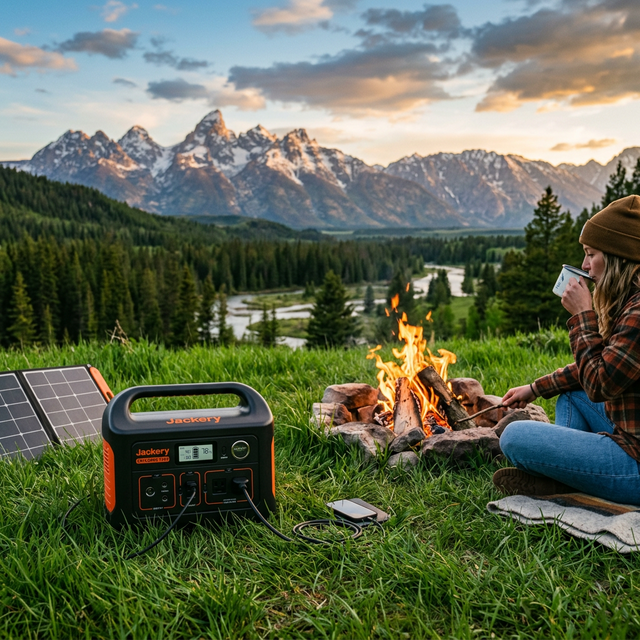
These versatile devices act as powerful, rechargeable battery banks that can store surplus energy generated by your solar panels. While residential wind turbines can also charge battery banks, the direct integration with solar panels is particularly seamless and popular.
A portable power station offers numerous benefits:
- Backup Power: Keep essential appliances running during grid outages.
- Off-Grid Living: Power cabins, RVs, or remote workshops entirely off the grid.
- Energy Optimization: Store energy when generation is high (e.g., sunny midday) and use it when demand is high or generation is low (e.g., evening).
- Portability: Take your stored renewable energy wherever you go, from camping trips to job sites.
- Clean and Silent: Provide power without noise, fumes, or fossil fuels.
By integrating a high-capacity portable power station into your home renewable energy system, you effectively turn intermittent energy sources into a continuous, reliable power supply, significantly boosting your energy security and self-sufficiency.
Conclusion: Powering Your Future with Renewable Energy
The journey towards home energy independence is an exciting one. Both solar and wind power offer compelling pathways to reduce your carbon footprint, save money, and gain peace of mind. While solar boasts widespread applicability and mature technology, wind offers 24/7 generation potential in suitable locations. The "best" choice is ultimately yours to make, guided by a thorough understanding of your energy needs and environmental conditions.
We encourage you to utilize our renewable energy calculator to explore the possibilities for your home. And remember, no matter which path you choose, a reliable portable power station is your ultimate companion for storing clean energy, ensuring backup power, and embracing a truly sustainable lifestyle.